Family-owned · Central Coast Local
4.9 from 69 Google reviewsWindow Warranties on the California Central Coast
What your warranty actually covers matters more than the brand name on the box.
Call or text (805) 430-6304Request an estimate
Tell us what you need
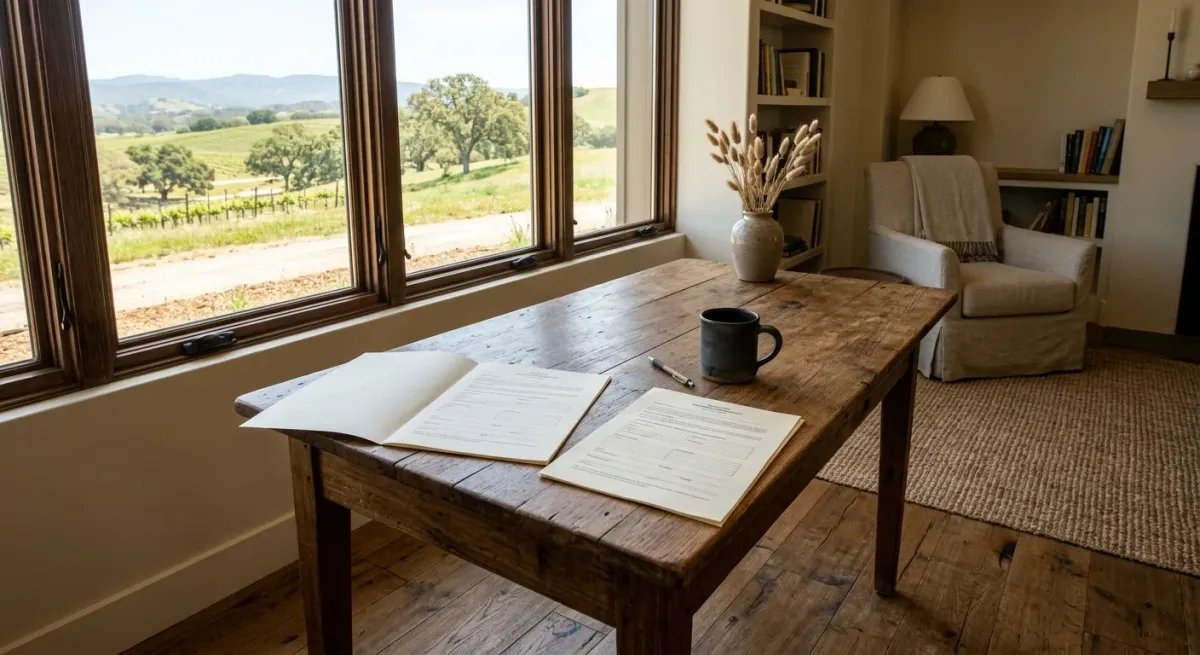
Why Warranties Matter More Than Brand Names
When replacing windows and doors on the California Central Coast, choosing a trusted brand is important, but understanding the warranty may be more valuable. Coastal homes in communities like Lompoc, Santa Maria, San Luis Obispo, and Santa Barbara face environmental conditions that few inland warranty documents account for.
Salt air, coastal fog, moisture, and shifting temperatures place additional demands on window frames, glass, hardware, and exterior finishes. Before investing in replacement windows or patio doors, homeowners should look past the brand name and understand exactly what their warranty covers, and what it doesn't.
Why Window Warranties Matter in Coastal California
Buyer's Checklist
5 Things to Check Before Buying Replacement Windows
1. Glass Warranty Coverage
Insulated glass units are where most coastal failures begin, failed seals let moisture in, fogging the glass permanently. Ask how long the IGU is covered, whether seal failure is included, whether stress cracks or accidental breakage are covered, whether specialty coatings or Low-E glass have exclusions, and whether the warranty covers materials only or also includes labor for glass replacement. Energy-efficient glass is one of the largest cost components in a window replacement project. The coverage terms should reflect that.
2. Window Frame and Finish Warranty
Vinyl, fiberglass, aluminum, and wood frames each age differently in coastal air. Review the warranty for the specific material and product line you're buying. Not just the manufacturer's headline coverage. Key questions: Is frame deterioration or material failure covered? What protection exists against peeling, blistering, or finish defects? Are discoloration and fading covered, and under what conditions? Are there special maintenance requirements? Does the warranty exclude coastal exposure or environmental conditions? For a deeper look at how materials compare, see our post on fiberglass vs. vinyl windows.
3. Hardware and Moving Components
Window locks, rollers, hinges, handles, and sliding door tracks are in daily use. Coastal moisture and salt exposure can corrode or seize hardware faster than manufacturers' testing reflects. Ask whether the warranty covers hardware failure, broken locking mechanisms, defective rollers, and problems with hinges or handles. Also determine whether hardware coverage runs for the same term as the frame and glass, or whether it carries a shorter window.
4. Installation and Labor Warranty
One of the most overlooked distinctions in a window project is the difference between a product warranty and an installation warranty. A manufacturer's warranty addresses qualifying defects in the product itself. It generally won't cover problems caused by improper installation, water intrusion related to flashing details, or damage to surrounding finishes. An installation warranty is issued by the contractor. Before work begins, ask: How long does the workmanship warranty last? What installation-related issues are covered? Are service calls and labor included? How are warranty claims submitted? Who investigates a problem that could involve both the product and the installation?
5. Warranty Exclusions and Maintenance Requirements
Some warranties limit coverage based on maintenance practices, installation conditions, unauthorized modifications, environmental exposure, or whether the original purchaser still owns the home. Certain finishes and hardware components may carry different terms from the primary window unit. Before signing, read the actual warranty document for the exact product being installed. Not a summary sheet. Coastal exposure clauses in particular are worth examining line by line.
Local Considerations
What Central Coast Homeowners Should Plan For
Salt-Air Exposure
Review frame finishes and hardware materials for suitability in your specific environment. Homes within a mile of the water face more aggressive corrosion conditions than those farther inland in the Santa Ynez Valley or Paso Robles area.
Moisture Management
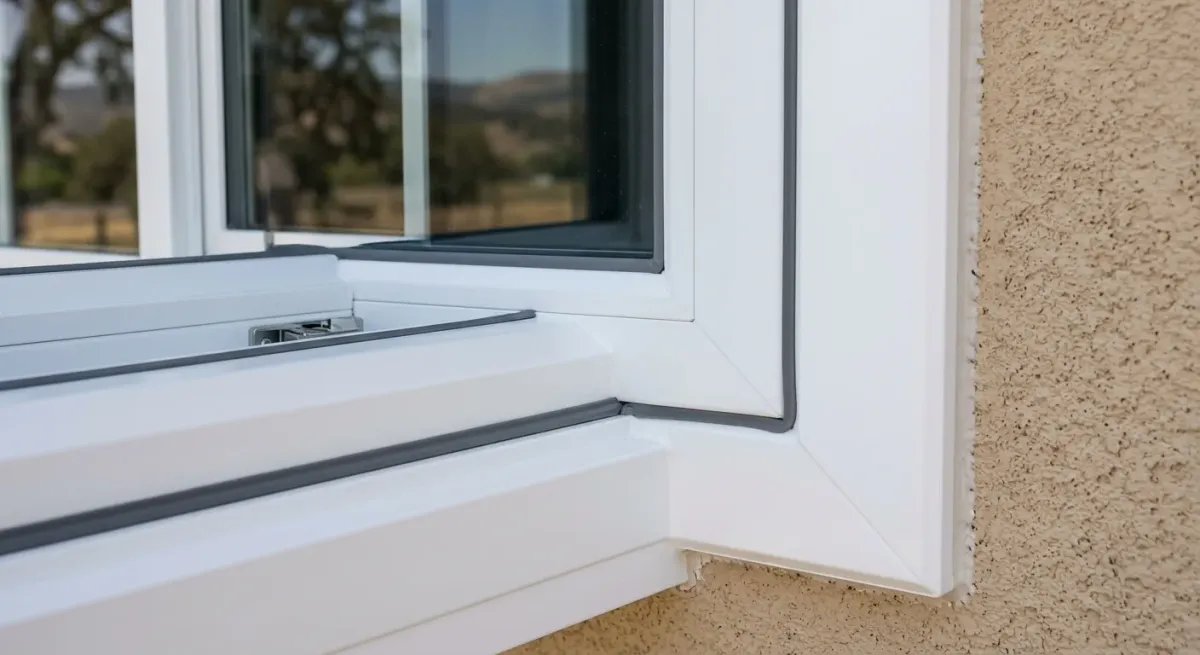
Ensure the installation plan addresses flashing, sealing, and water management at every rough opening. Most water intrusion problems traced to 'the window' are actually installation details, which is why the workmanship warranty matters.
Energy Efficiency
Consider insulated glass and Low-E options based on the home's orientation and comfort goals. A south-facing room in Santa Maria has different needs than a west-facing room in Montecito catching afternoon marine layer.
Warranty Documentation
Keep product information, installation records, and warranty documents somewhere accessible. If a claim arises two years after installation, proof-of-purchase and installation date are the first things a manufacturer will request.
Frequently Asked Questions About Window Warranties
How long do replacement window warranties last?
Are window warranties different for coastal homes?
Does a manufacturer's window warranty cover installation problems?
How Mountain View Windows Helps Protect Your Investment
Questions About Window Warranties on the Central Coast?
Call Buster and Aaron before you buy.
Related
Next step
Tell us about the job
Your name, your number and what needs doing. A person from Mountain View Windows gets back to you.
Rather talk now?(805) 430-6304