Family-owned · Central Coast Local
4.9 from 69 Google reviewsBest Windows for California Coastal Homes
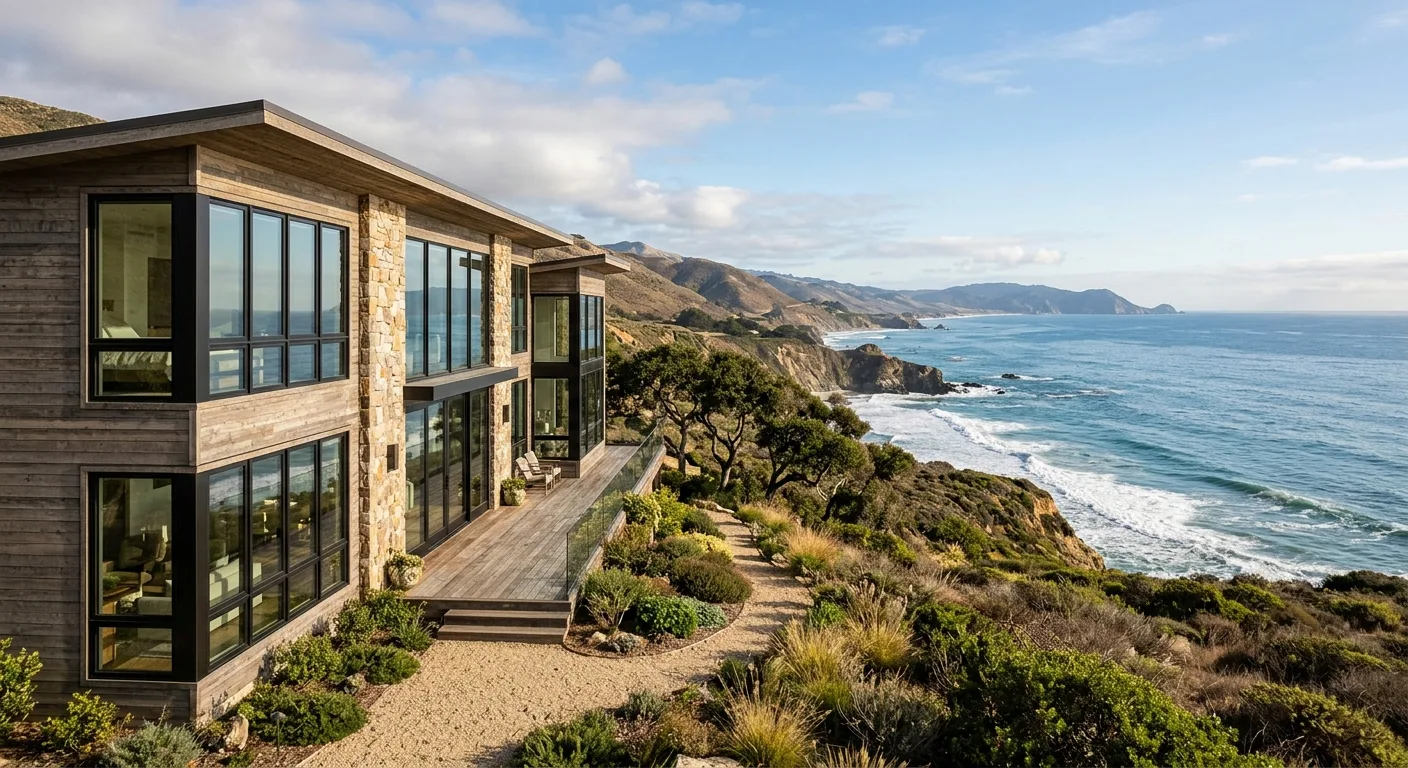
Salt air, strong sun, and coastal humidity demand materials that standard windows simply weren't built to handle.
Call or text (805) 430-6304Request an estimate
Tell us what you need
Choosing Windows That Survive the Coast
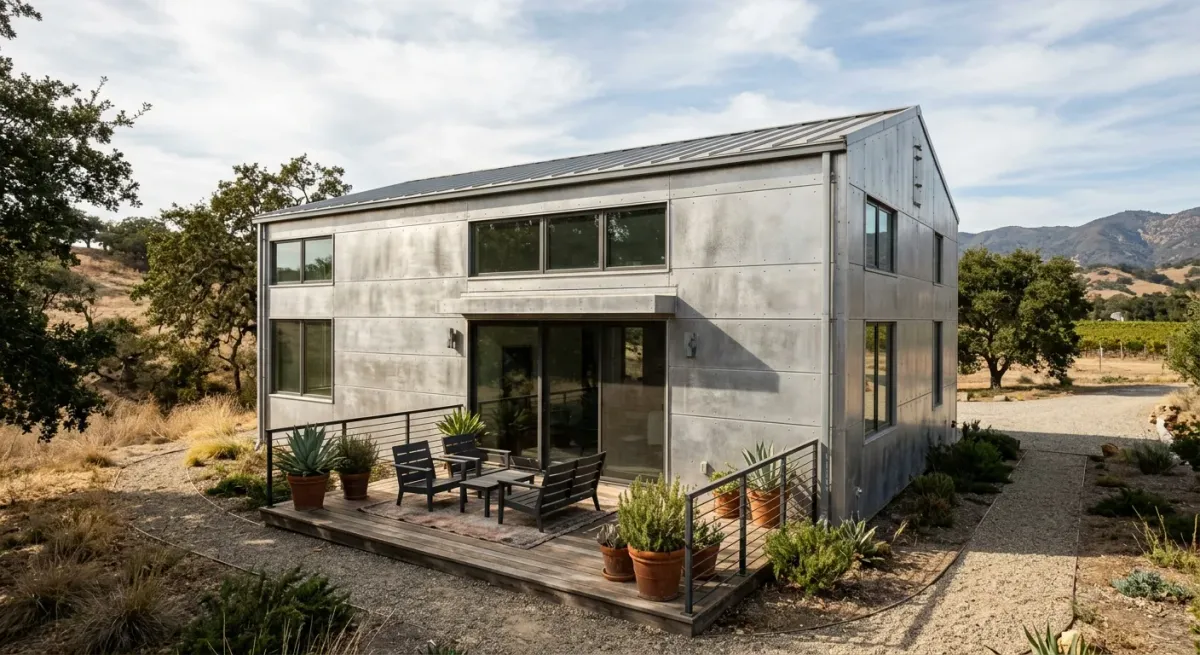
Living near the ocean is beautiful, but the environment is hard on windows. Salt air accelerates corrosion on metal components, marine moisture works into gaps around poorly sealed frames, and the California sun fades furniture and flooring through glass that offers no UV protection. Standard residential windows sold across the inland U.S. Often aren't rated for these conditions.
The right window for a coastal home comes down to three decisions: frame material, glass type, and installation quality. Get all three right and your windows can last 25 to 30 years even a block from the water. Miss one and you're looking at foggy seals, corroded hardware, and frame failure well before that. This guide covers what window replacement looks like specifically for California's coastal climate, from Carpinteria and Montecito down through Lompoc and Santa Maria to Pismo Beach and Morro Bay.
Frame Materials Built for Salt Air
Three materials hold up on the coast, and each one has a different case for it.
Fiberglass
The strongest coastal performer. Fiberglass doesn't corrode, doesn't swell in humidity, and holds its shape through the temperature swings common between coastal mornings and afternoon inland heat. Low maintenance and long-lived, a good choice when you want to stop thinking about your windows.

Vinyl
The most affordable option that genuinely holds up near the water. Salt air has no effect on vinyl frames, they don't need painting, and they're inherently good insulators. For a vinyl window replacement near the coast, you're getting durability and energy performance at a price that makes sense for most households. See our full notes on fiberglass vs. vinyl if you're weighing the two.
Aluminum with Marine-Grade Finish
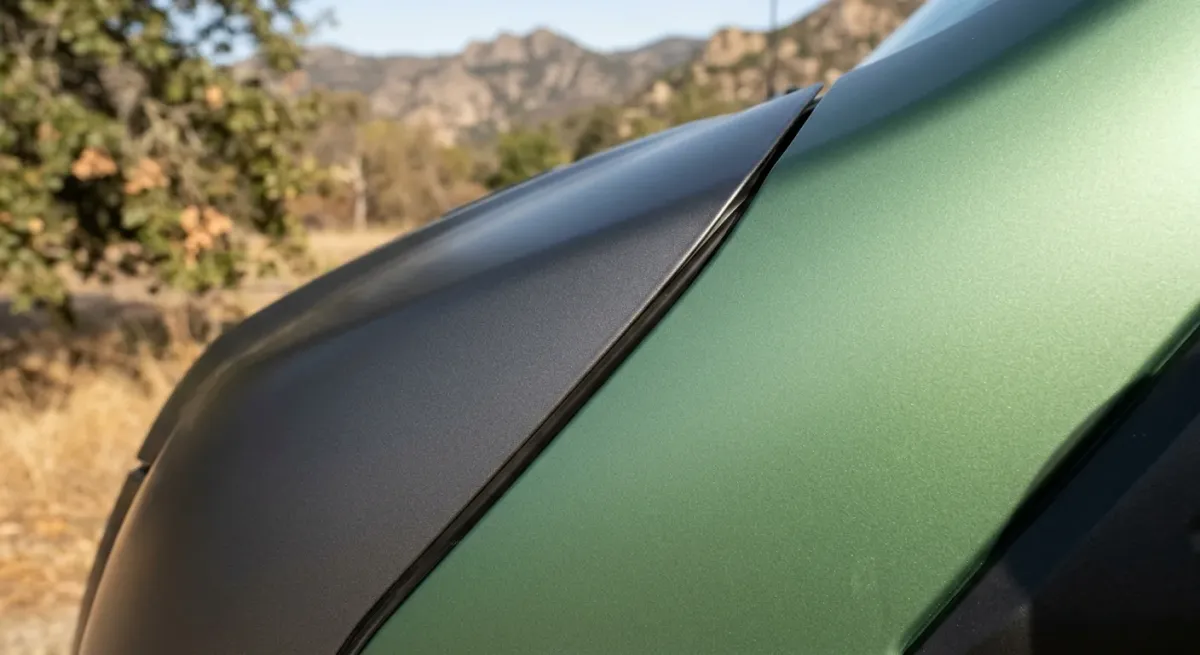
Aluminum is strong and clean-looking, and it handles coastal UV better than most people expect, but only when it carries a proper marine-grade anodized or powder-coat finish. Bare or standard-finish aluminum corrodes quickly in salt air. Specify marine-grade or skip it.
Glass Options That Protect Your Home
The frame keeps water out. The glass handles the sun, the wind, and your furniture.
Low-E Coatings
A microscopically thin metallic coating applied to the glass surface that reflects infrared and UV radiation while letting visible light through. On the Central Coast, this is the single most effective upgrade for reducing fading on floors and furniture, and for keeping rooms cooler in summer without blocking your ocean view. Worth understanding how U-factor ratings tie into this; see our post on what U-factor means.
Impact-Resistant Glass
A laminated construction, two panes bonded with a polymer interlayer, that holds together under impact rather than shattering. Homes closer to the water that see serious wind events benefit from this. It also adds a meaningful noise reduction layer, which matters if you're near a busy coastal highway.
Tinted Glass
Reduces glare and solar heat gain. Practically useful in south- and west-facing rooms where afternoon sun makes the space uncomfortably bright even with blinds. It won't replace Low-E performance but pairs well with it.
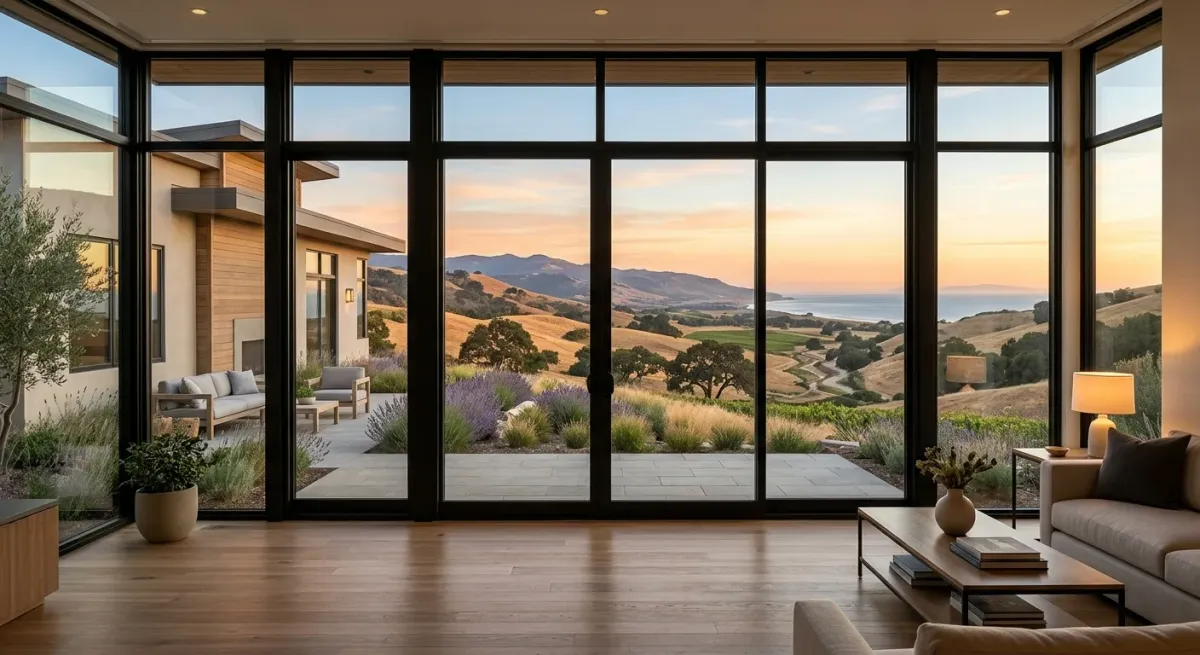
Double-Pane Construction
Two panes separated by an insulating air or gas-filled gap. On the coast, the benefit isn't mainly heating cost. It's the reduction in condensation on interior glass and the noise buffer from wind and surf. Single-pane windows are especially poor performers in these conditions.
Installation
Why Sealing Makes or Breaks a Coastal Window
Coastal Context
What the Central Coast Climate Actually Does to Windows
Talk to Someone Who Knows This Coast
35 years in the construction trade, now installing windows across Ventura, Santa Barbara, and San Luis Obispo Counties.
Related
Next step
Tell us about the job
Your name, your number and what needs doing. A person from Mountain View Windows gets back to you.
Rather talk now?(805) 430-6304